

Improvement plans (PIPs)
A formal performance improvement plan needs two things a casual coaching loop doesn’t: a tightly scoped set of expectations the person must meet, and a documented, agreed record of each step along the way. Admire gives you both through prioritized skills and per-session sign-off.
Scope it to the skills that matter
Section titled “Scope it to the skills that matter”A PIP is not the moment to coach everything. Narrow the focus to the specific skills the person must improve by prioritizing them on their profile. Priority is the per-person focus marker; required comes from the role. Together they make the bar for the plan unambiguous.
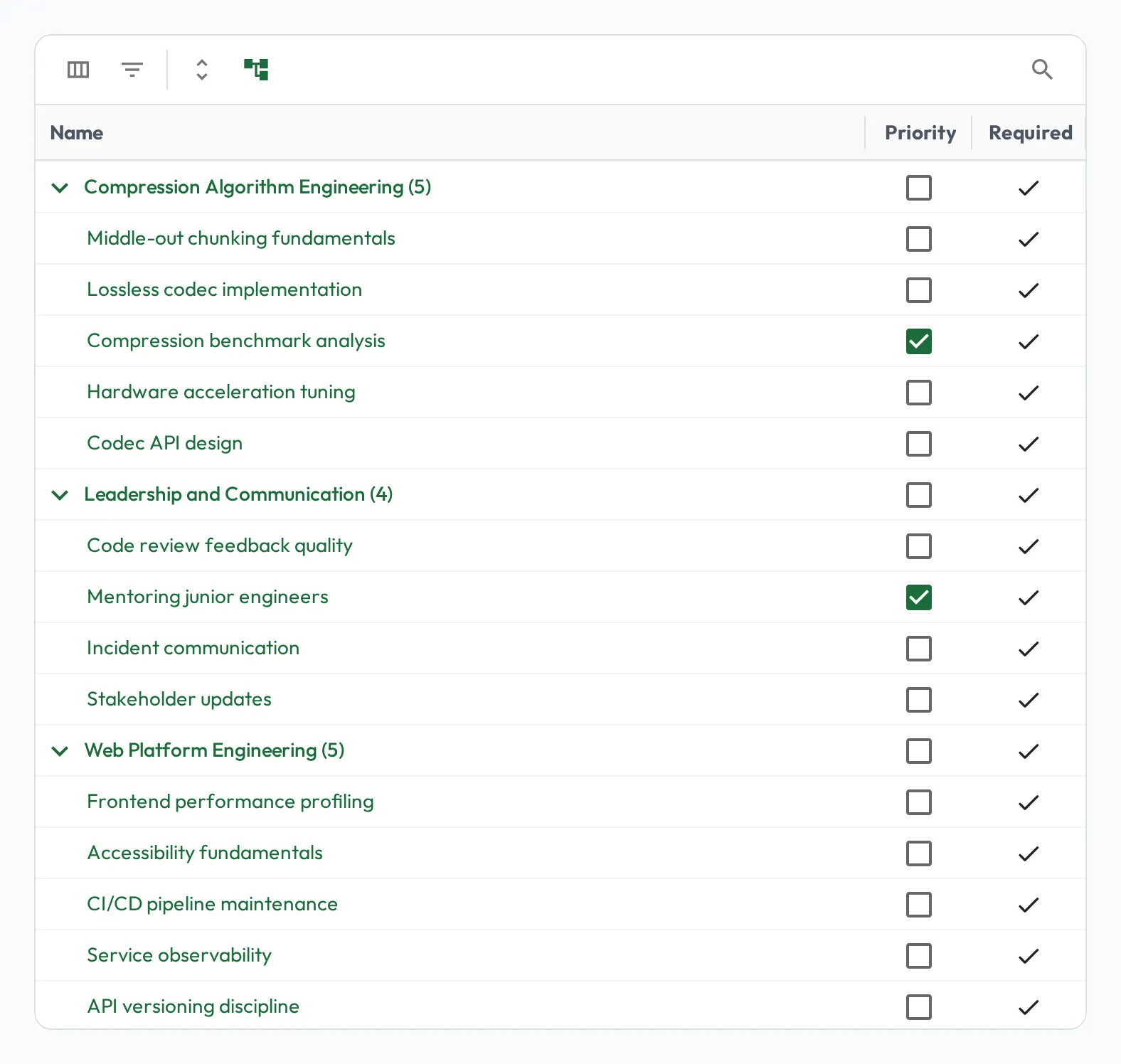
With the right skills prioritized, your 1:1 Meetings and the one-click session start both pre-select them, so every session during the plan stays on the agreed focus.
Sign off each session as it progresses
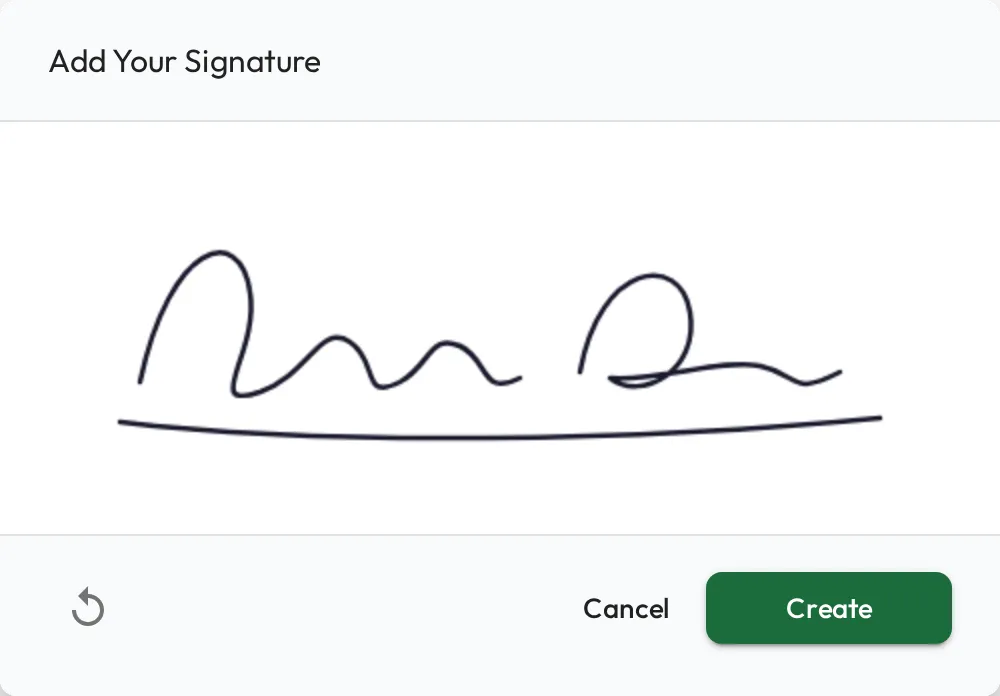
Section titled “Sign off each session as it progresses”The documentation that makes a PIP defensible is built session by session, not at the end. Run each check-in as a Meeting, record the observations, and have both people sign off when it’s done. Each signed Meeting is a dated, agreed record that the session happened and what was assessed.
- Prioritize the skills the plan requires.
- Run a recurring Meeting for each check-in, scoring those skills. See Scoring skills.
- Sign off at the end of each session, both coach and coachee. See Signing off.
- Track the progression on the profile: mastery climbing on the prioritized skills is the evidence the plan is working.
When the plan concludes, the signed sessions and the skill progression together form the record for a final performance review.